

-
 Now Playing
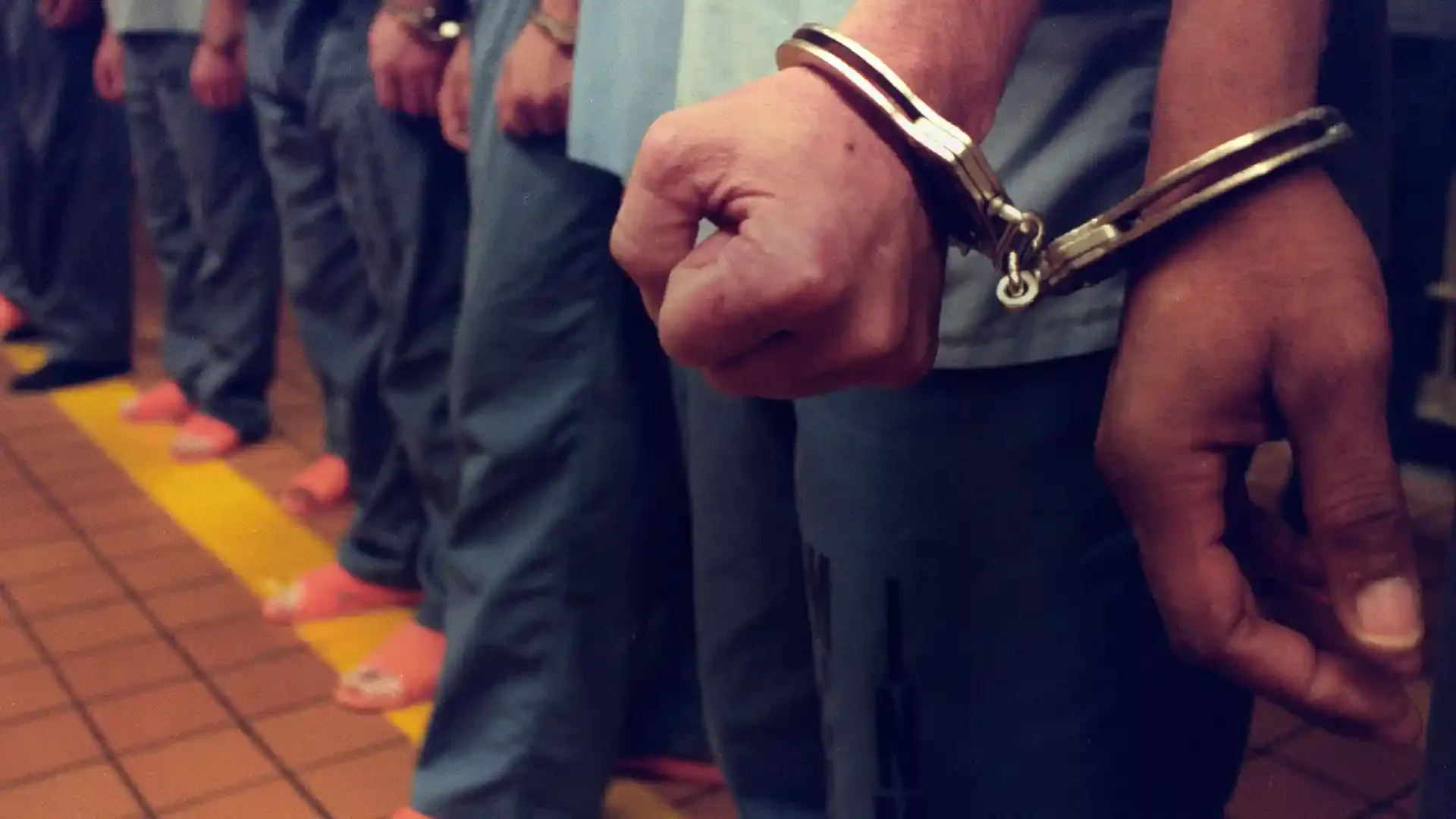
“A House of Repentance” (Beginnings - 1880)
Episode 1 | 98m | Some colonists argue that public punishments make “bad men worse” and look for an alternative.
-
 Now Playing
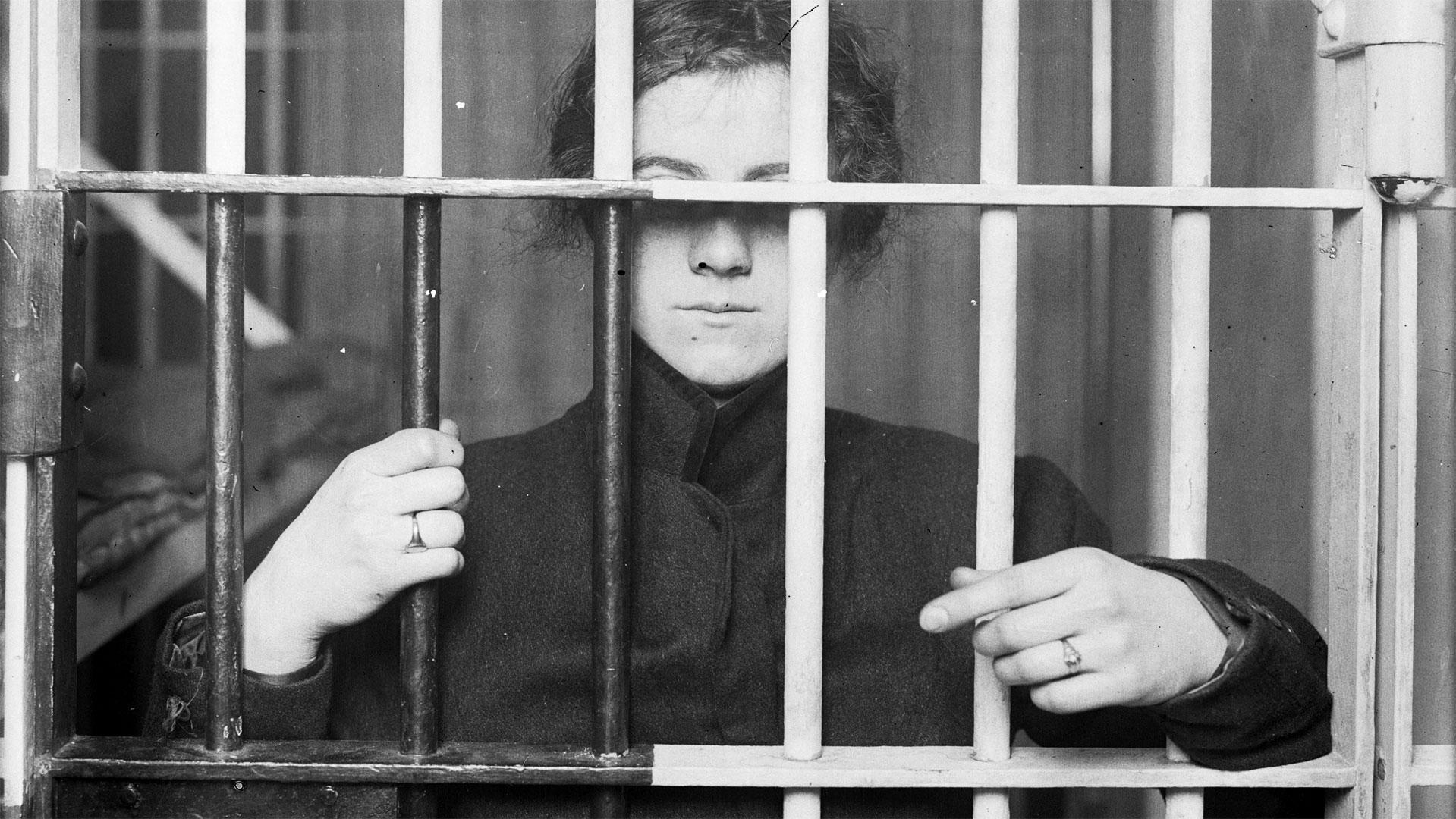
“The Criminal Type” (1880 - 1929)
Episode 2 | 117m 22s | Progressive reformers try to make the justice system more fair.
-
 Now Playing
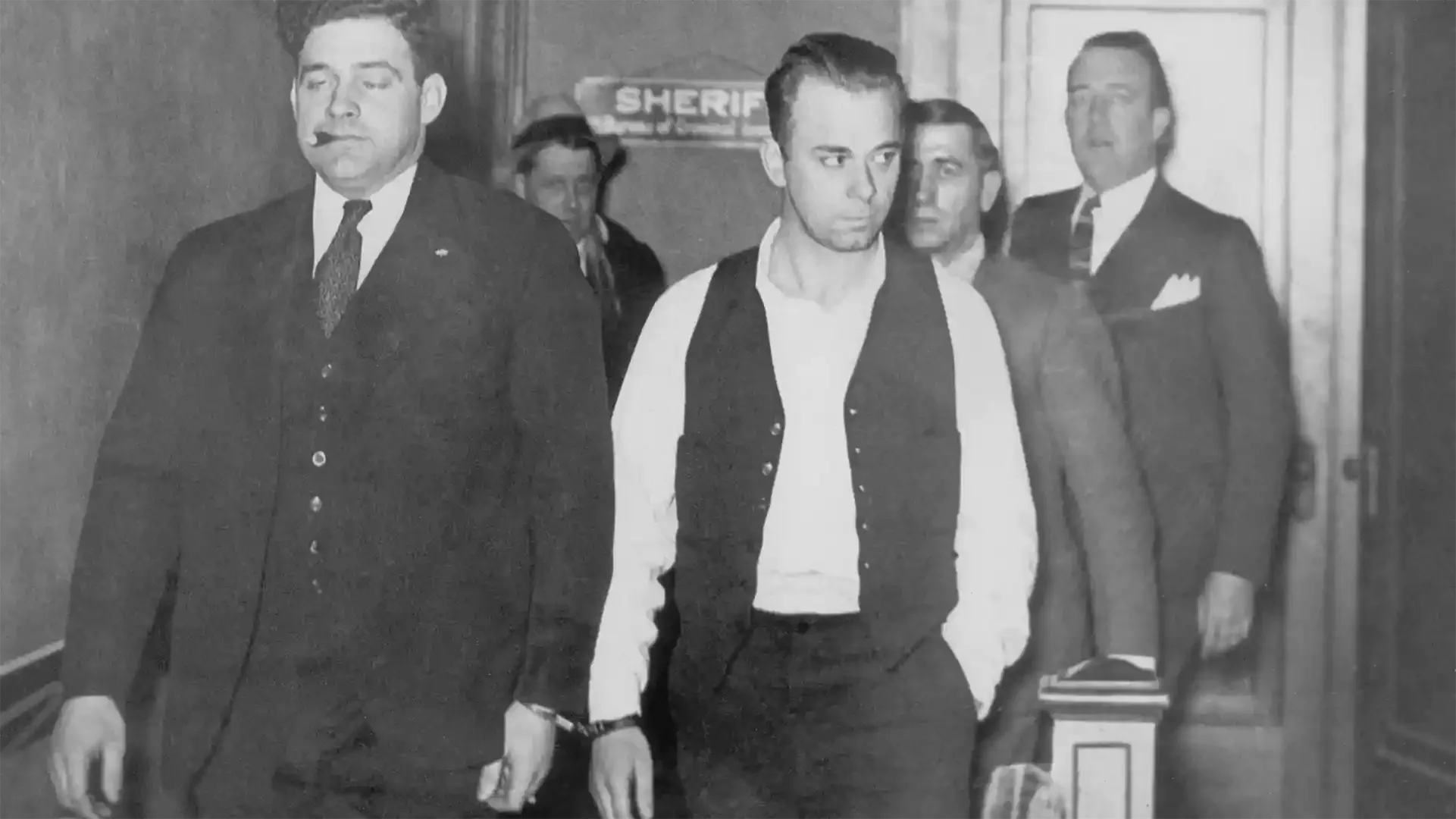
“Public Enemies” (1929 - 1969)
Full Length | 111m 21s | The exploits of outlaws fill the headlines and the FBI promise to wage a war on crime.
-
 Now Playing
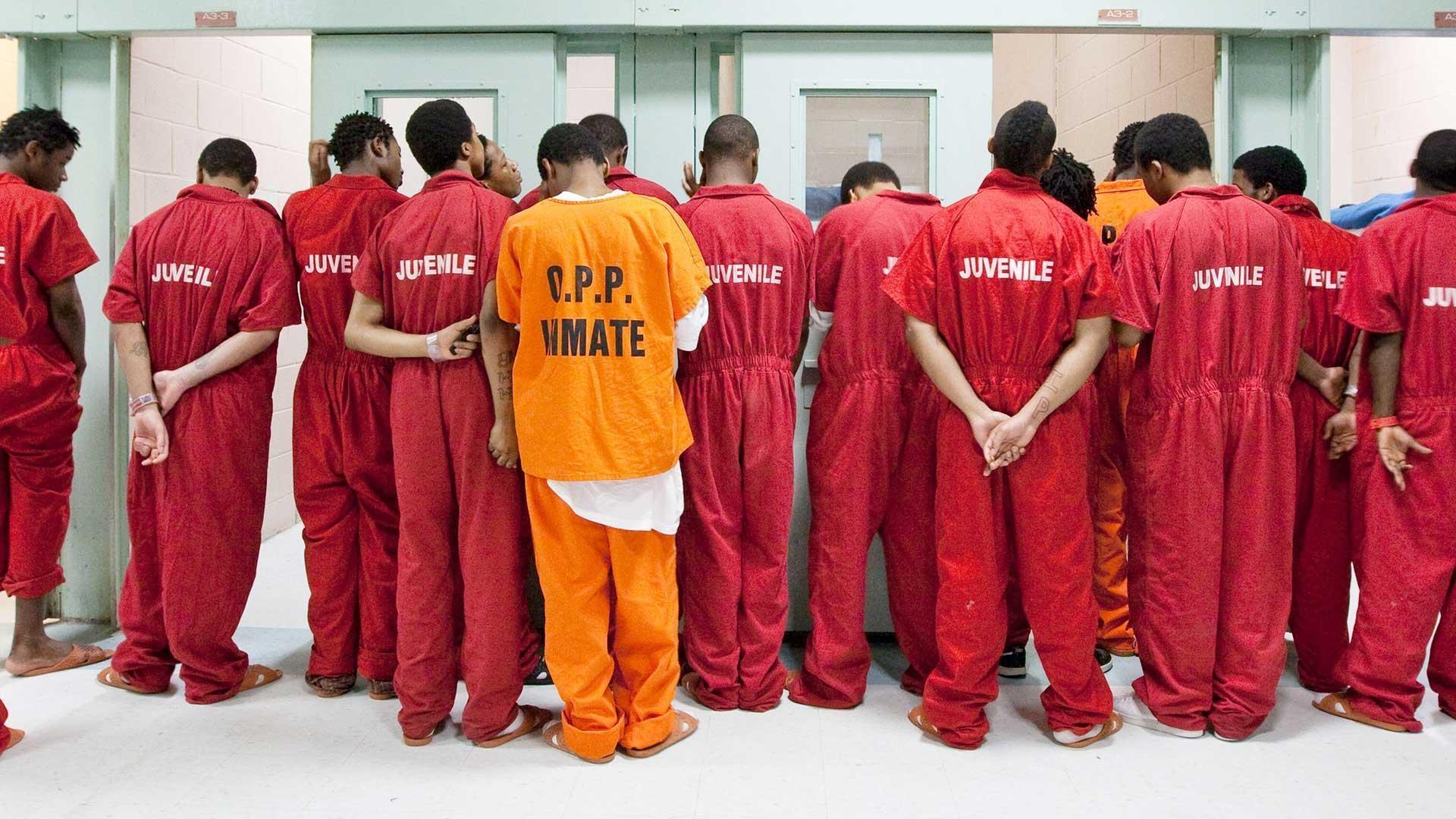
“Tough on Crime” (1970 - Onward)
Episode 4 | 107m 53s | Violent crime is on the rise and Americans rally behind politicians promoting harsher punishments.
-
 Now Playing
Extended Trailer
Preview | 2m 31s |
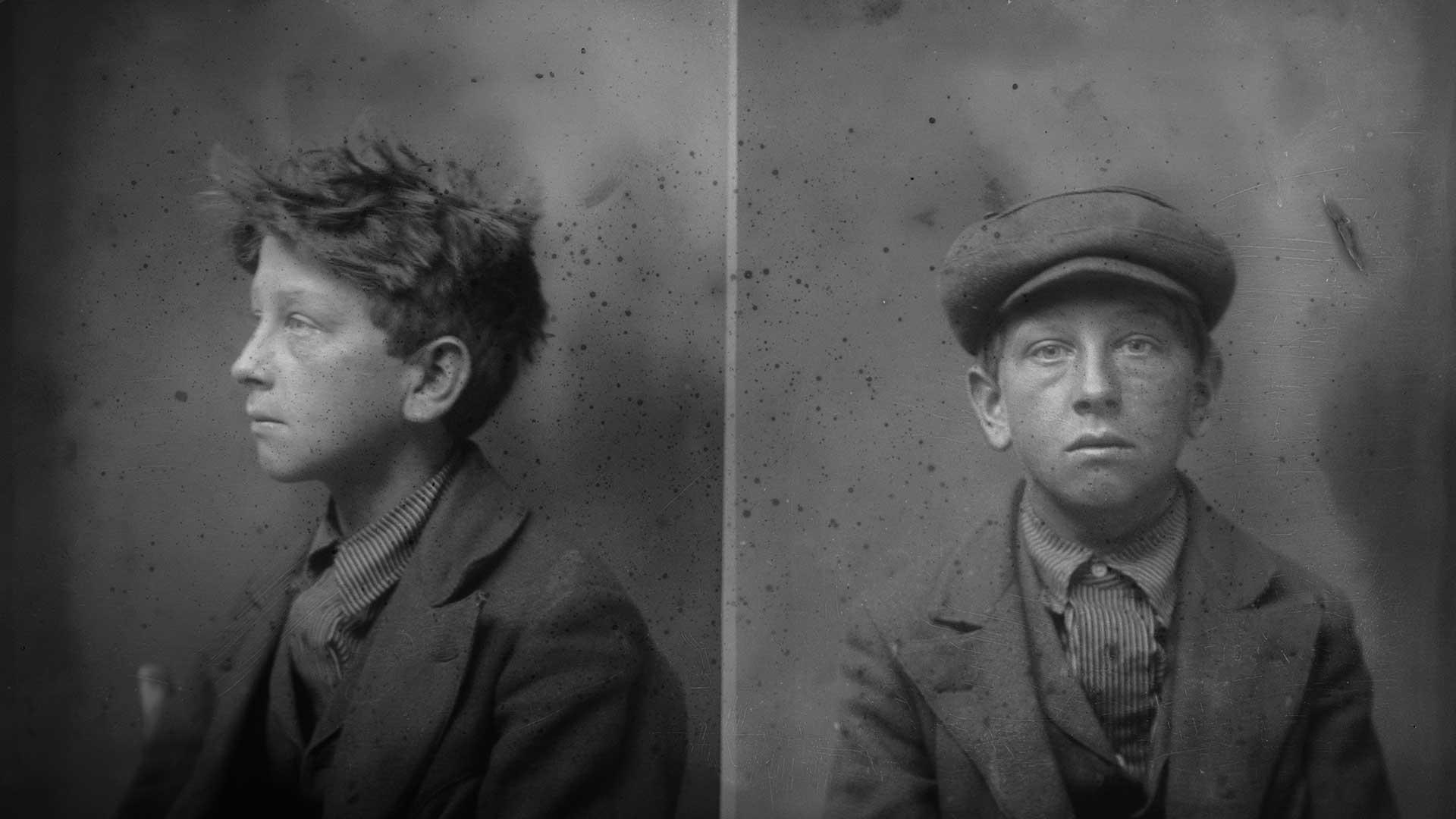
For 250 years, Americans wrestle with crime, punishment and the meaning of justice. Correction (11/16/2026): An earlier version of this trailer included a quote from the film that was inaccurately edited by the company that produced the trailer, not by the filmmaker. This version has been corrected.
-
 Now Playing
Companion Series: Rogue History
Rogue History Episode 1 | 12m 4s |
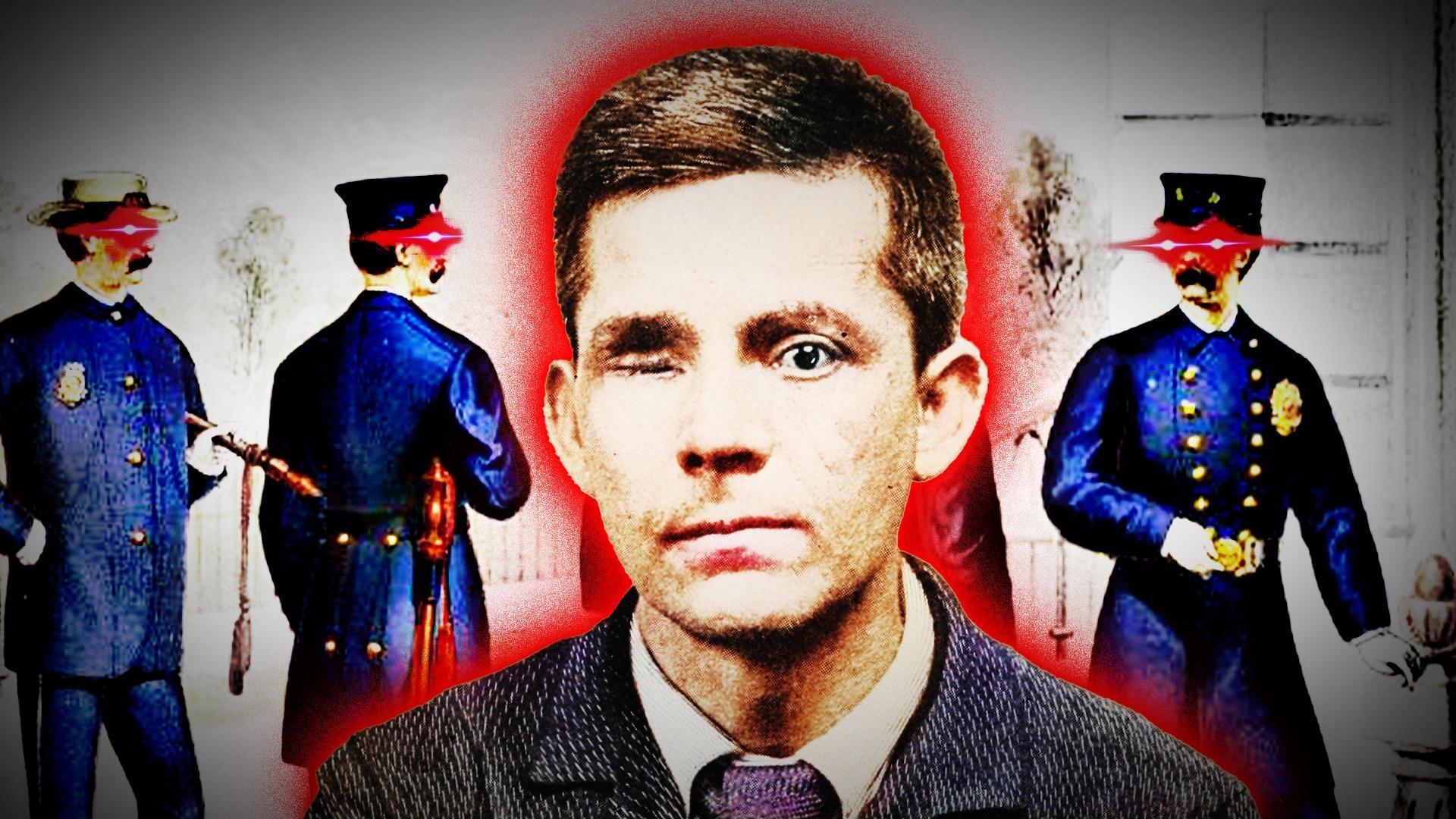
George Appo pickpocketed for survival before unexpectedly becoming a witness against corrupt police.
About the Film
Crime and Punishment in America is a four-part series directed by Lynn Novick that tells the story of criminal justice in America, from the colonial era to today, and explores how for more than 250 years, Americans have wrestled with the problem of crime, the purpose of punishment and the meaning of justice. Executive produced by Ken Burns and Sam Pollard. Narrated by Keith David.

Featured Content
-
INTERACTIVE
Measuring Crime and Punishment
How does the way we collect and measure crime shape our understanding of it? Crime statistics can tell us how crime changes over time. But the way crime is measured, defined, and communicated can also shape public perception and policy.
-
BIOGRAPHIES
Key Figures from Crime and Punishment in America
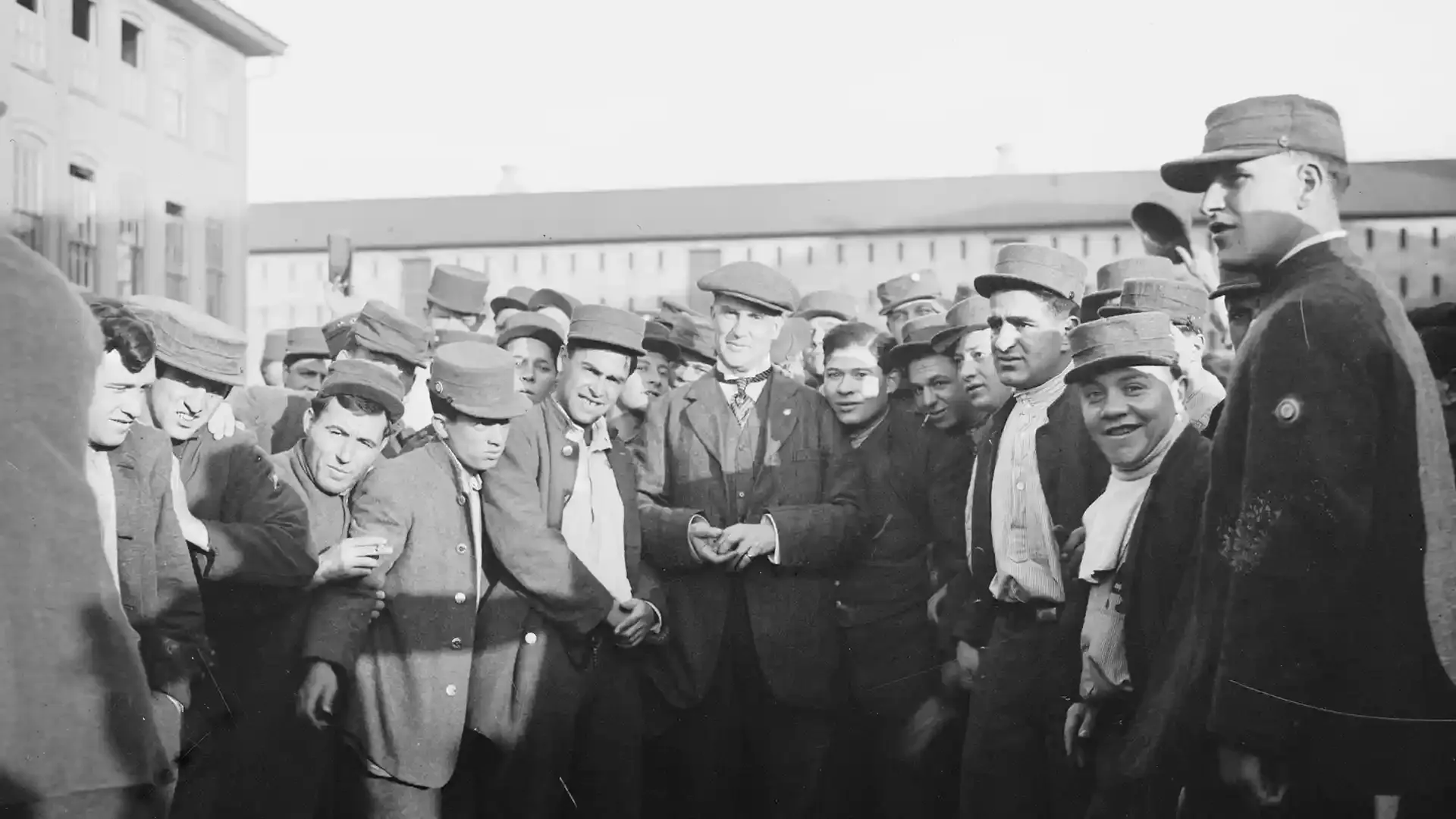
Biographies of the key figures - politicians, reformers, police and outlaws - that shaped the American criminal justice system as explored in the film.
-
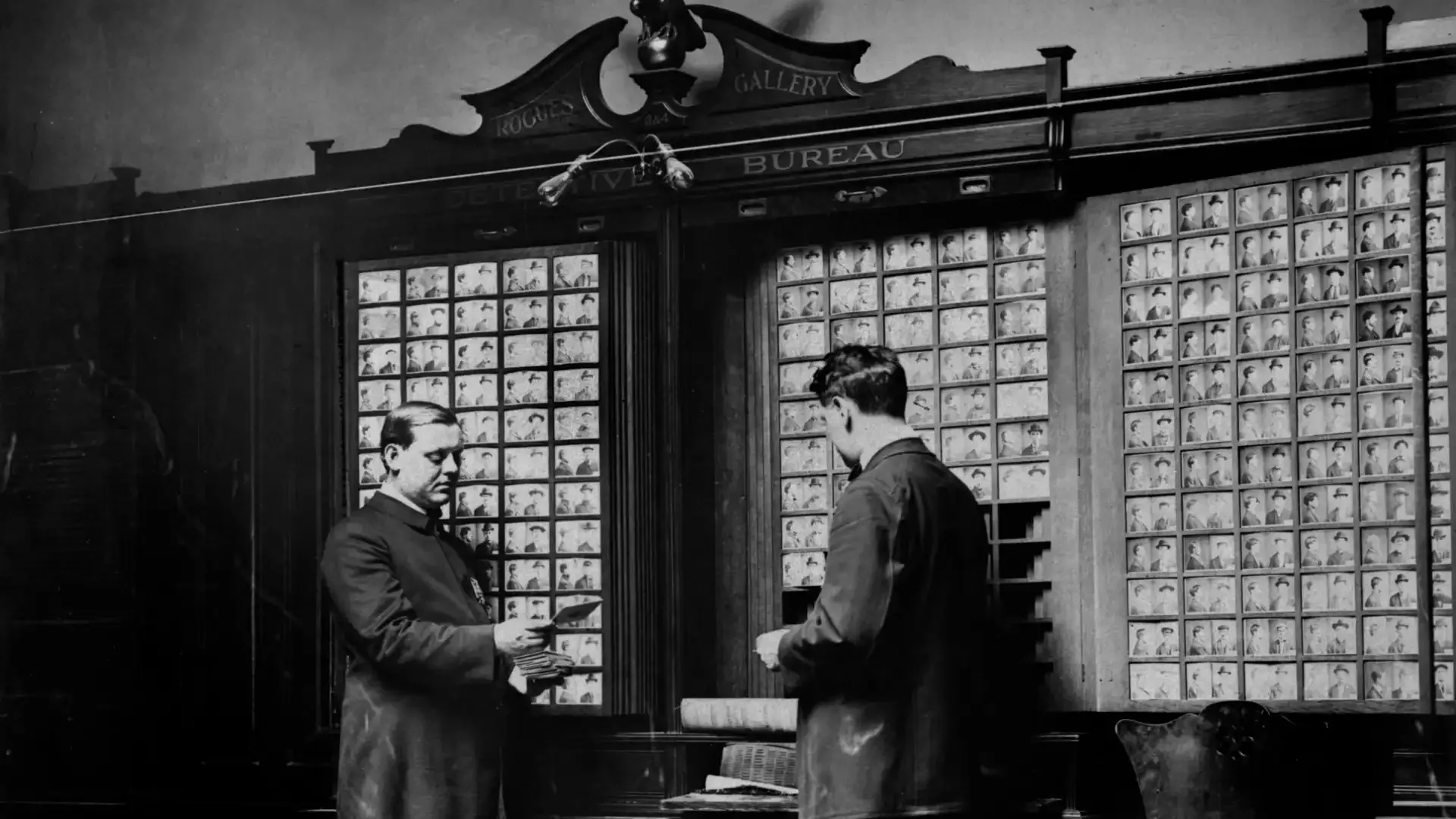
FROM ‘ANTIHEROES’ TO ‘G-MEN’
A Glossary Criminal Justice Terms
Do you know the history of ‘lockstep’? Take a closer look at some everyday words and phrases that come from America's criminal justice history.
-
COMPANION SERIES
Rogue History
America has always had a complicated relationship with crime and punishment. And centuries later, the questions continue: What makes a criminal? When is punishment justified? And what happens when we get it wrong? This season on Rogue History, explore the rogues who bent the rules, broke the law, or exposed the people abusing it.
-
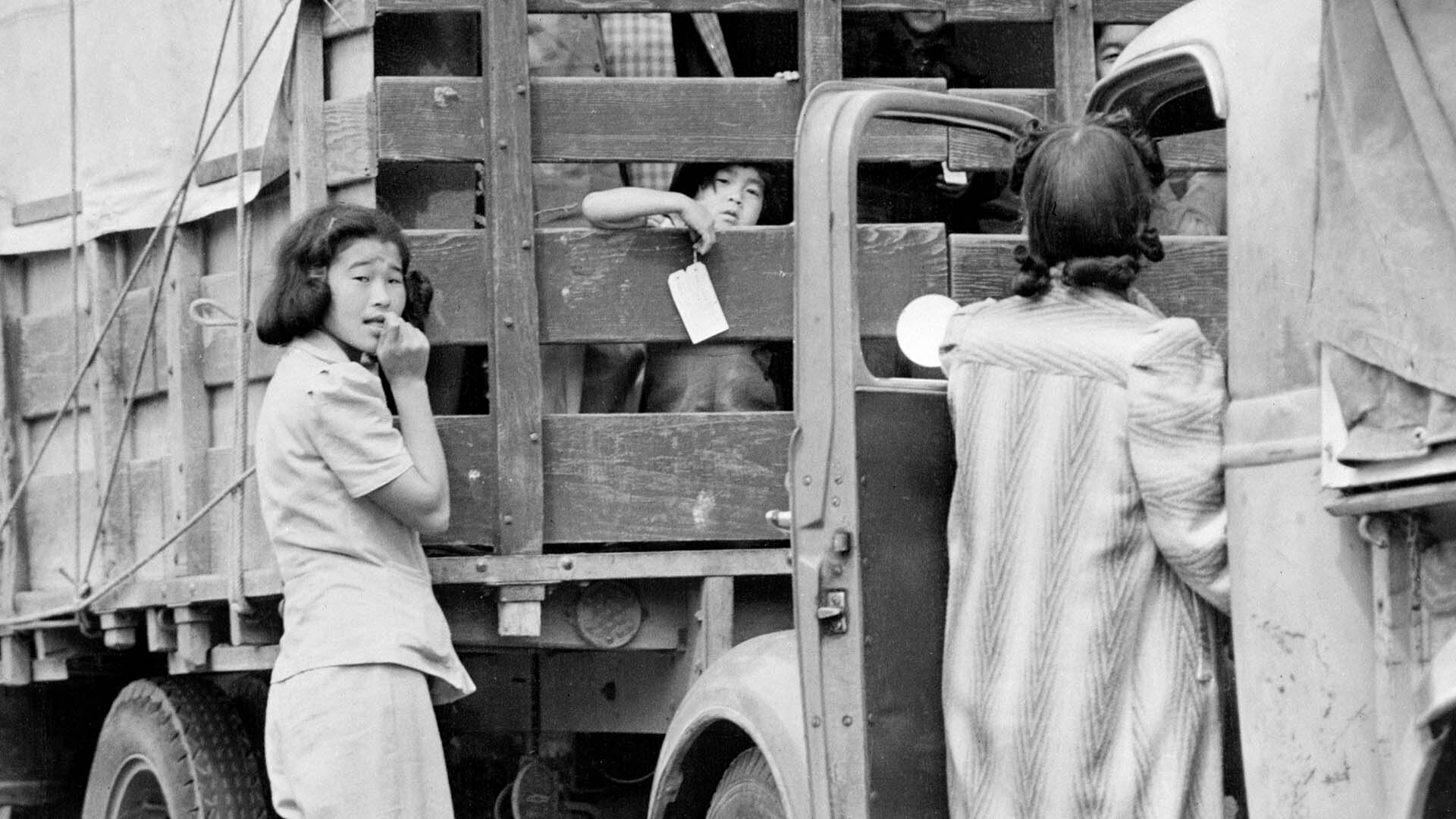
EXPLAINER
Fred Korematsu and Japanese Internment
President Roosevelt enacts Executive Order 9066, demanding the internment of all Japanese Americans on the West Coast. Fred Korematsu defies this order in what will become a landmark Supreme Court case.
-
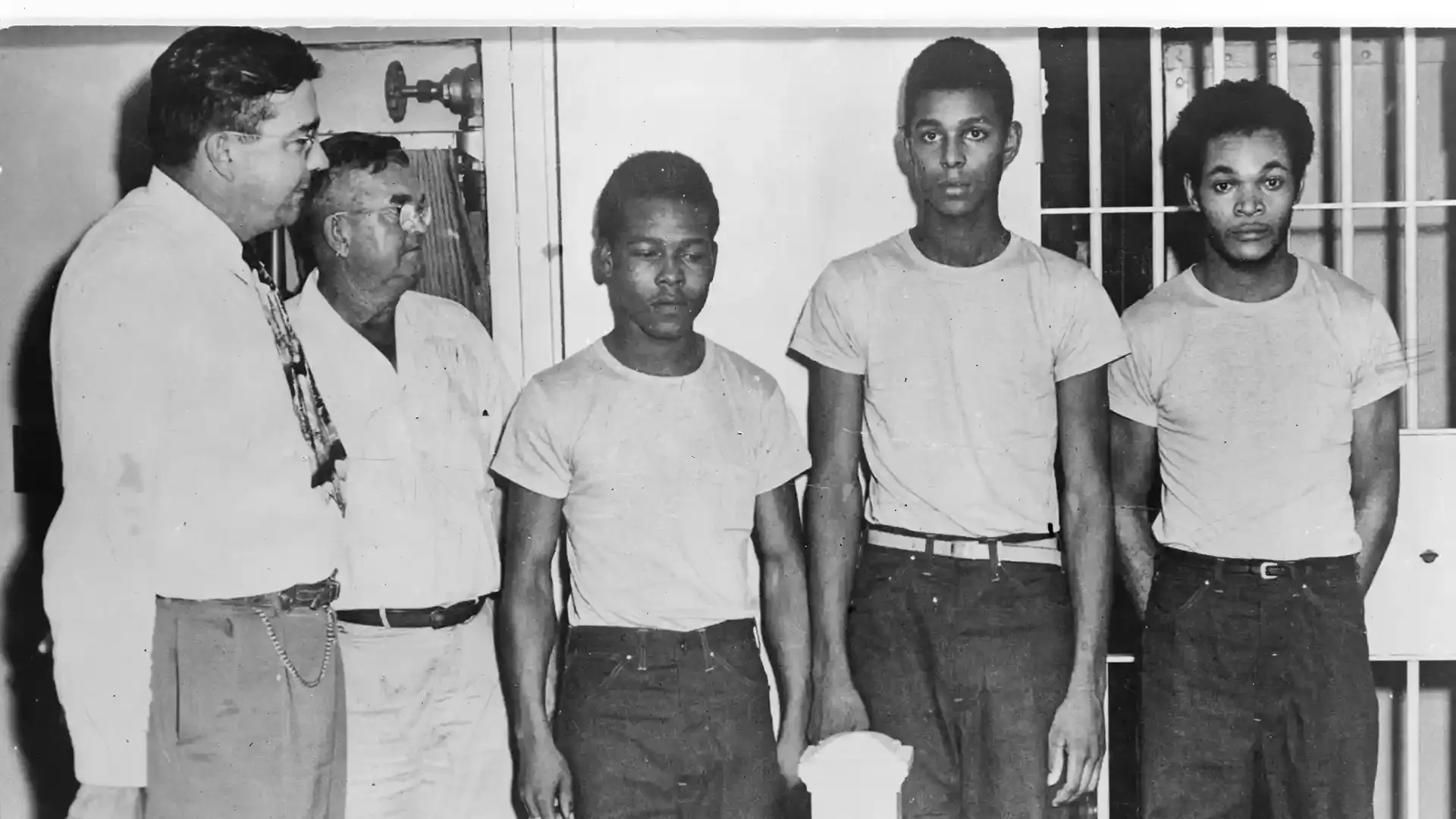
EXPLAINER
The Groveland Four
In 1949, four Black men are falsely accused of raping a White woman and assaulting her husband in Florida. Thurgood Marshall and the NAACP came to their defense to fight for justice in an unjust system.