
Talking About Race With Kids: Conversation Starters


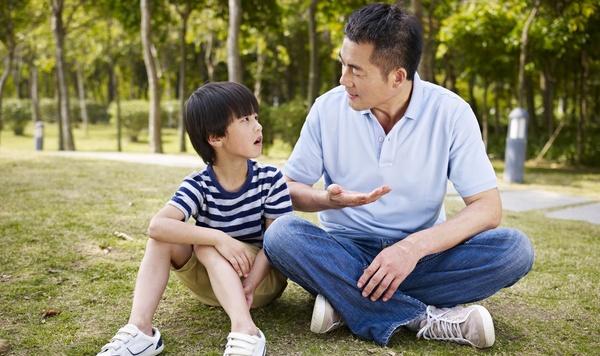
Kristine came to me because she wanted to stop feeling embarrassed and uncomfortable talking about race and other social justice topics with her preschool-aged son, Benjamin.
On the way home from a neighborhood birthday party, 4-year-old Benjamin was in the car talking to Kristine about all the fun he had and the new friends he met. “I threw the ball with Mark and played dinosaur games with the Black boy.” Kristine felt complete panic and quickly responded, “Ben, you can’t say that!” At that moment, Ben had no idea what he said wrong, but immediately felt his mom’s anxiety. Without realizing it, Kristine planted the taboo seed of race-based conversation with her son that day.
Children listen to what we say and watch what we do, even when we are not aware of it. They pick up on nonverbal messaging around topics like race and social justice. They see if we hold our purses a little tighter when someone different from us walks too closely, or watch our body tense up when watching the news or listening to a family member’s political views. They also pick up ideas from social media, videos, and television shows. Children use these ideas to create (and reject) friendships based on race and other identifiers as early as preschool age.
Having conversations about race with our children can be easier than you think. It starts with a teachable moment or great children’s literature and simple open-ended questions.
Naming race through skin color
Move away from teaching your children to be colorblind. Like Benjamin, noticing skin color is apparent for children. Instead of shying away from the conversation, encourage their thoughts and observations about skin color through dialogue.
- “Look at the children’s different shades of skin in this story. How would you describe them? Look at your skin. What word would you use to describe your skin? What about mine?”
- “What if someone told you that you couldn’t do something because of the color of your skin? How would that make you feel? What could we do to change their minds?”
Standing up for others
We make assumptions about people based on their race, gender, and other identities. Remind your children that sometimes we make up stories about others without really knowing them. Parents need to model how to recognize these stereotypes and stand up for others.
- “In this book, [character’s name] makes fun of others because they are different. It makes me feel [add your feelings here] because people shouldn’t make fun of others because of [add descriptor here]. How does that make you feel?”
- “You know, sometimes we judge people based on what they look like. Do you ever do that? Let me tell you about a time that I did and how I remind myself to be thoughtful before judging others before I get to know them.”
Engaging in activism
There are many ways that your family can get involved in making the world better. Now is the time to build habits of compassion and kindness in your children and these practices will last a lifetime.
- “An activist is someone who sees something that is unfair and decides to do something to make it better. How can our family be activists?”
- “Sometimes we have to speak up when things aren’t fair, even when it’s hard. It’s OK to tell me you are afraid. I get scared, too. What can we do when we feel that way?”
Handling other difficult topics
We can’t always predict what our children will ask us, but we can be prepared to listen and encourage them to continue to question things in the world, remain curious and practice compassion. Sometimes, the best way to support their learning is to ask more questions and then just listen.
- Thank you for sharing. Tell me more.
- What would you do?
- I’m so glad we are talking about this. Can we talk more?
- How can we explore this more? How can we learn more about this?
When we have intentional conversations with our children early, we can support their limited categorizing and meaning-making skills to create more realistic stories in their minds about others. These interpreted stories unchecked become truths for them, and they begin to form opinions about others. You don’t have to have all the answers, just a commitment to open dialogue and active listening skills. Raising children that see and celebrate differences in others and who are not afraid to talk about race-based issues is a step in creating a more just world.
 Author: