
Why Reading Aloud to Kids Helps Them Thrive


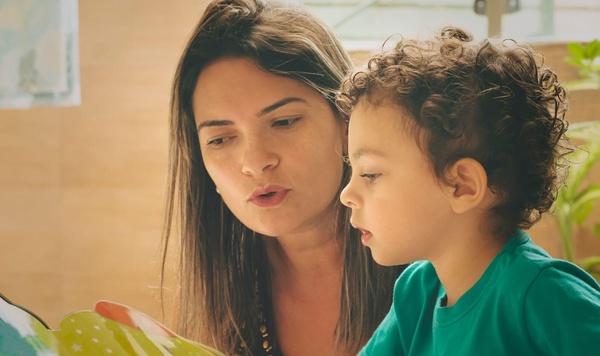
“Go pick your bedtime book, right now,” I told my four-year-old. Afternoon meltdowns had turned into bedtime battles, and I was tired. He returned clutching the book Glad Monster, Sad Monster and curled up beside me.
His body began to relax as we read about all the things that made these monsters glad, mad, sad, and scared. “Did you have big feelings today, like the monsters?” I asked. Big nod.
“Do you need extra hugs tonight?” More nods. When he couldn’t quite tell me how he was feeling, he found a book that could speak for him — and that helped me give him what he needed.
Why reading out loud is important
As I read out loud to my son that night, I was reminded of the way that stories — and reading — can help us better understand ourselves and each other. Even at just four years old, the feeling of identifying with a character or a story is a powerful one.
On a recent taxi ride, the driver asked me, “What’s your best piece of parenting advice?” He had young kids at home, too, and his question made me pause. I’ve probably read too many books and research articles on parenting, so I have lots of data at my fingertips.
But there is one dimension of being a mom where the research beautifully matches my experience in the trenches — something stunningly simple, where the return on investment is undeniably good for my kids and good for me:
I read out loud to them.
Almost every evening, after tooth-brushing and before lights out, we snuggle and read. Despite the inevitable ups and downs of family life, we end the day connected.
What are the benefits to reading out loud?
Reading aloud to kids has clear cognitive benefits. For example, brain scans show that hearing stories strengthens the part of the brain associated with visual imagery, story comprehension, and word meaning. And the landmark Becoming a Nation of Readers report from 1985 concluded that “the single most important activity for building knowledge for their eventual success in reading is reading aloud to children.”
But reading also strengthens children’s social, emotional, and character development. According to a recently published study, reading to very young children is linked to decreased levels of aggression, hyperactivity, and attention difficulties. The study’s lead author shared this insight with The New York Times, “When parents read with their children more . . . they learn to use words to describe feelings that are otherwise difficult and this enables them to better control their behavior when they have challenging feelings like anger or sadness.”
It’s clear that reading out loud is important, but if you’re not already in the habit of doing so, where do you start with reading to your child? The task might feel overwhelming if you haven’t done it often before, and can even be downright daunting if you’ve had a long day of work yourself.
Read out loud to your child with these three tips:
As with many healthy habits, starting to read aloud to your child begins with setting up a routine through small steps that you mindfully repeat. Even if you already read to your child before bed, you might find yourself rushing the process to get it done, so you can move on with your own nighttime to-dos. If reading isn’t part of your daily routine — or if you want to make it a more positive experience — here are three tips for making the most of read-aloud time:
- Start early, read often. Reading to babies helps build bonds, vocabulary, and habits. If reading a story is part of the bedtime routine from infancy or toddlerhood, your child will take the lead in making sure this happens every night. Once your routine is established, you’ll find that reading out loud becomes as ingrained in your nightly routine as bath time or brushing teeth.
- Read the pictures. Illustrations are visual clues that can help kids build their vocabulary and their emotional toolkit. Before reading a book, take a “picture walk” through the pages. Look at the characters and the setting and make predictions about what might happen. While reading, pause to look at the characters’ body language and ask, How do you think she’s feeling right now? Reading through pictures, which children can interpret long before they can master all the words in the book, also helps to engage them in the story and start engaging with what’s on the page — eventually encouraging them to read the words too.
- Press the pause button. Some nights, it’s tempting to rush through books on the way to “lights out.” But sometimes I press the pause button before turning the page. Take time to look at a picture, ask a question, or share reactions. Help kids make connections between what they read and the world around them. For example:
- The grandma in this story reminds me of your grandma. They both love making pies and telling stories.
- Hey, she has brown eyes and loves dinosaurs — just like you!
- Look at all those tall buildings! It looks a little bit like New York City, where your uncle lives.
- He seems nervous about the first day of school. Do you remember your first day of school?
- There’s a bear in this story! What other stories have we read about bears?
Using these talking points as a moment of pause also encourages kids to engage more deeply with the text, and start to think about the connections between stories and their own lives. This helps to develop important psychological milestones and skills like empathy.
Start experiencing the benefits of reading out loud
Storytime is not some miracle solution to the challenges of raising young kids, but over time, the benefits of family reading add up. From recognizing patterns and memorizing details in rhyming books to inspiring them to enjoy reading with their own summer reading lists as they grow up, reading aloud fosters a passion for reading, a chance to connect and reflect with little ones after a big day, and gives kids a head start on the reading and writing skills they’ll work to develop as they start schooling. And along the way, everyone gets to enjoy the snuggles and good stories.
Another great way to engage your child with storytelling and reading out loud is the PBS Kids Read-Along series, which has stories for kids to read aloud and fun activities that encourage them to think more about the books they cover.
If you are looking for some good books to read to your kids, take a look at these lists:
 Author: